Short Story Weather
the Yankee Da Vinci

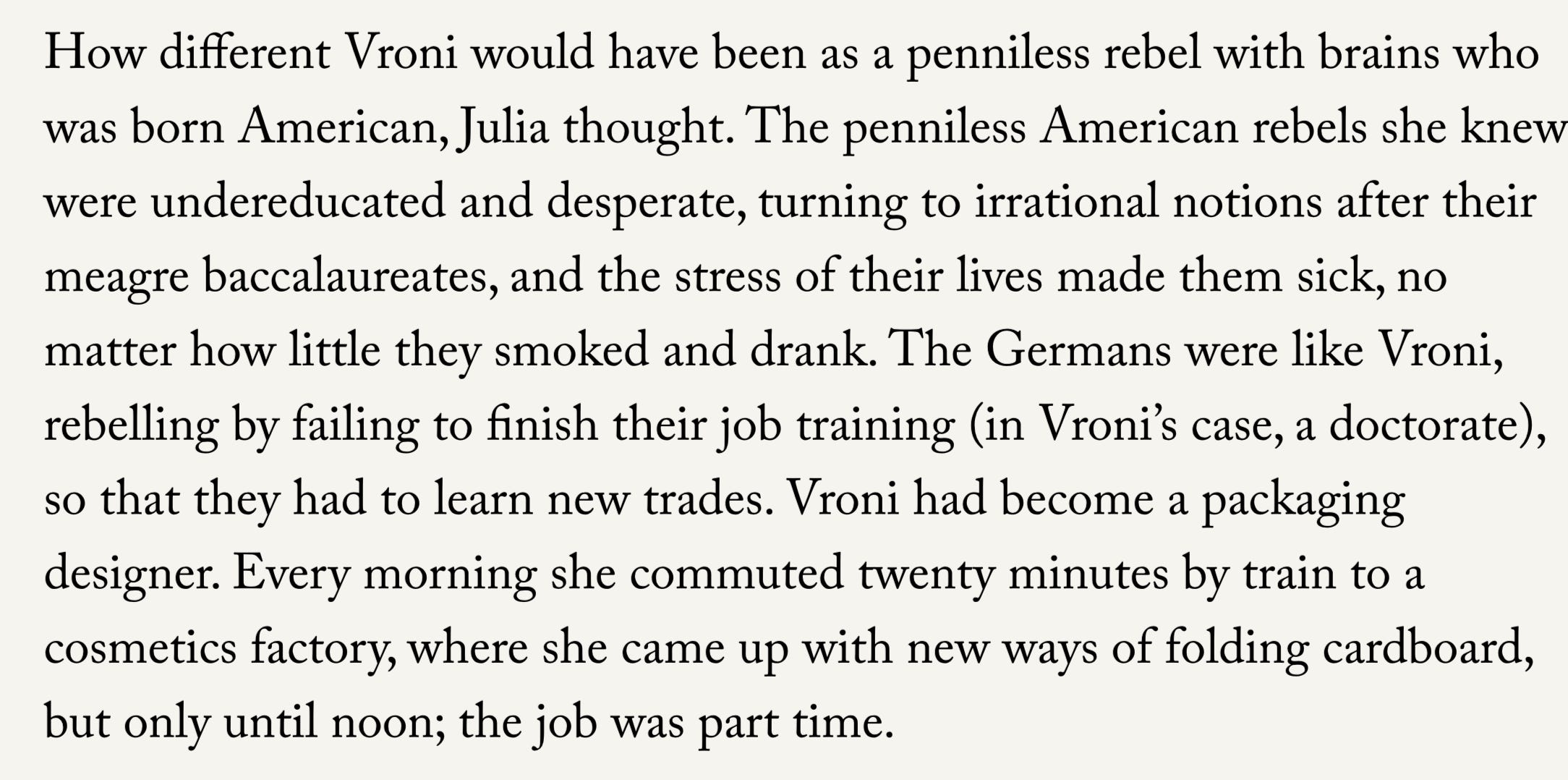
There’s a new crop of short stories from Europe this week in the negative vein. Gwendoline Riley in the Paris Review on her typical cooler, nastier axis (blank somehow); Nell Zink in the New Yorker, demonstrating her caustic playfulness (I’ve stopped calling her zany, but you could). Both have such a well-defined style, and I appreciate them for being so unable to formulate opinions outside of their fixed world views. They’ve been making the same points—about the limitations of others and ourselves, like all short stories—and I tend to want to hear them again. They have an intimidating air, an impression that hasn’t wavered for me despite having had one drink with them both. (Actually, Nell had a cup of tea, fetched from a deli down the block from the bar by my husband.)
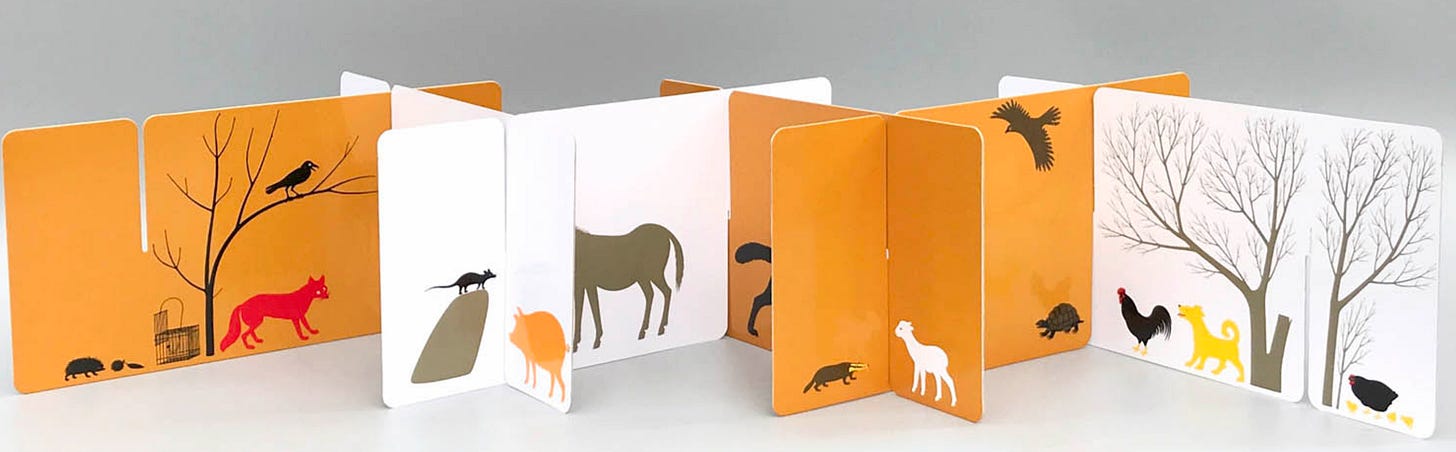
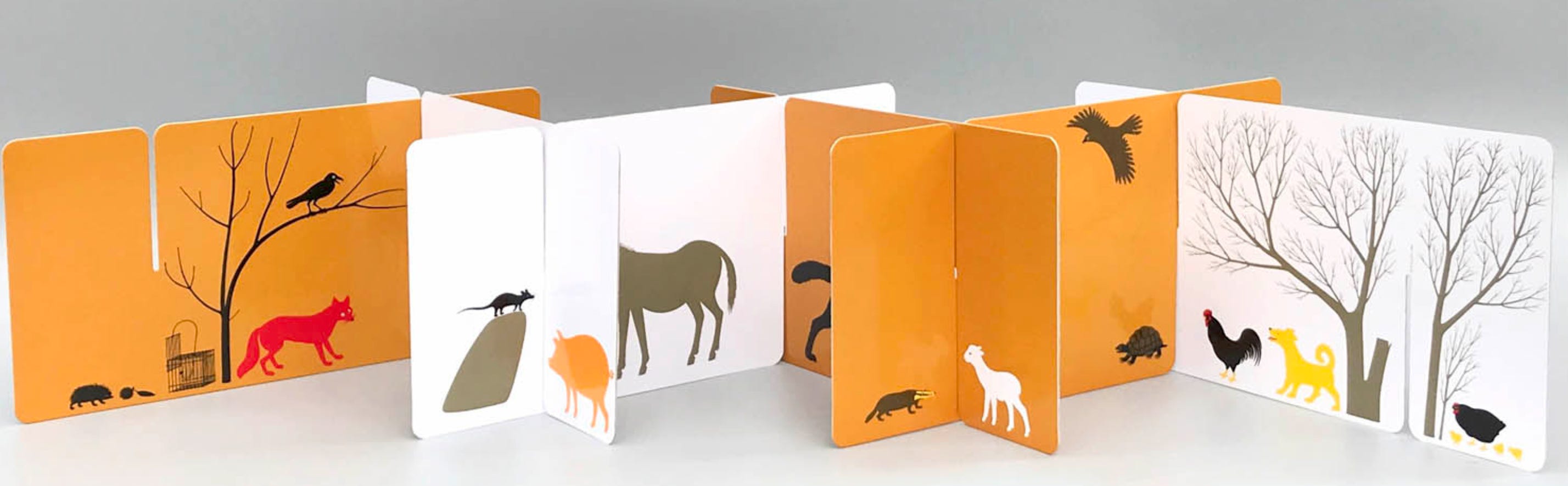
I feel revulsion towards the popular toys that adults regularly give children. My niece and nephew, for instance, wanted me to play with their Bluey cards and Paw Patrol figurines this Christmas. It’s a benign snobbishness—the favoring of wooden toys and painstakingly felted animals and teeny tiny tales by Richard Scarry. Math mom Sophie Raseman tipped me off to a buildable story board game for children by Enzo Mari. It’s called The Fable Game, “a classic Italian design object…that functions as a ‘game without rules.’” Children sequence their own miniature plots, and make up a story to go along with it. I’ve been forcing them to play it…
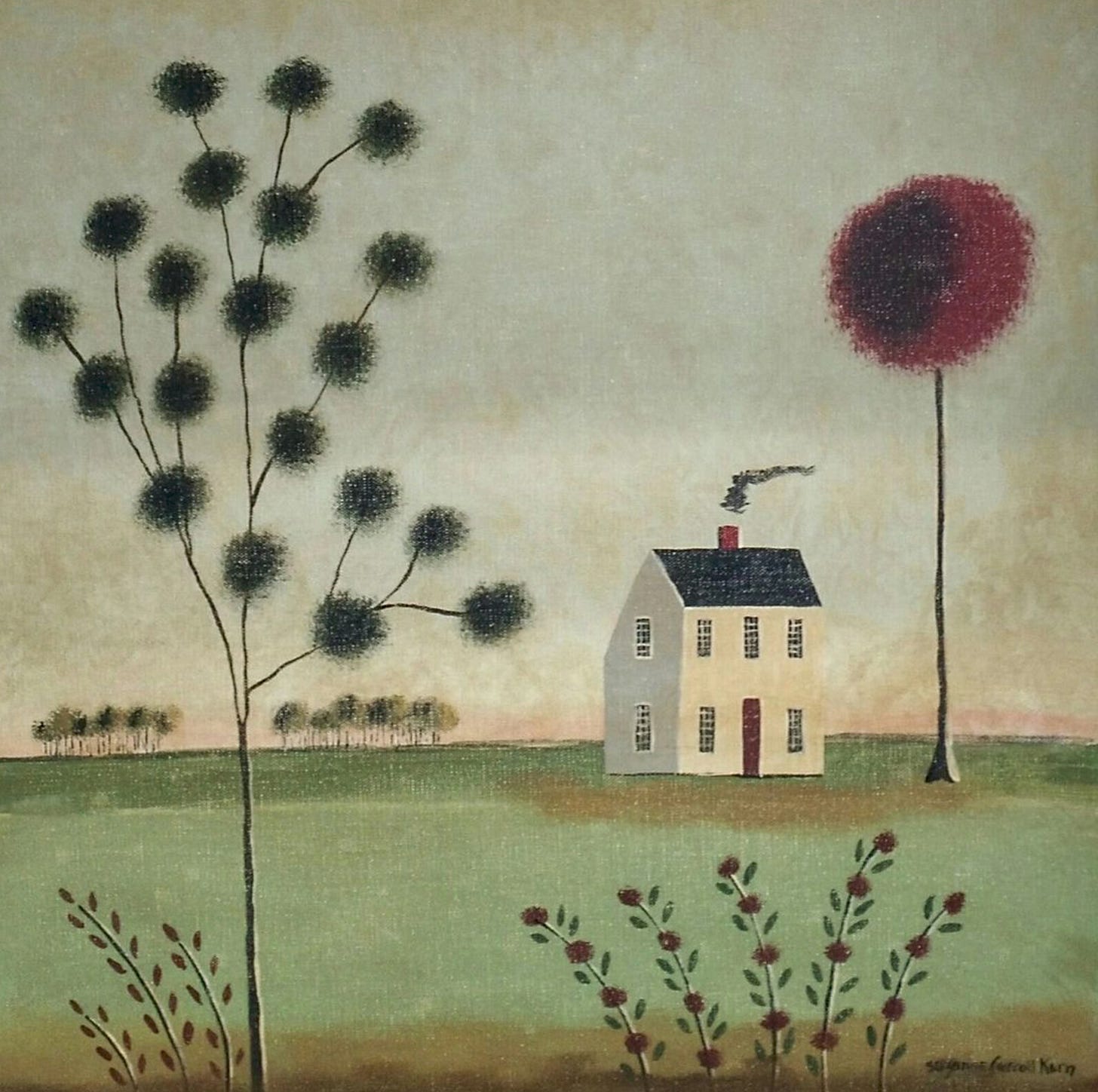
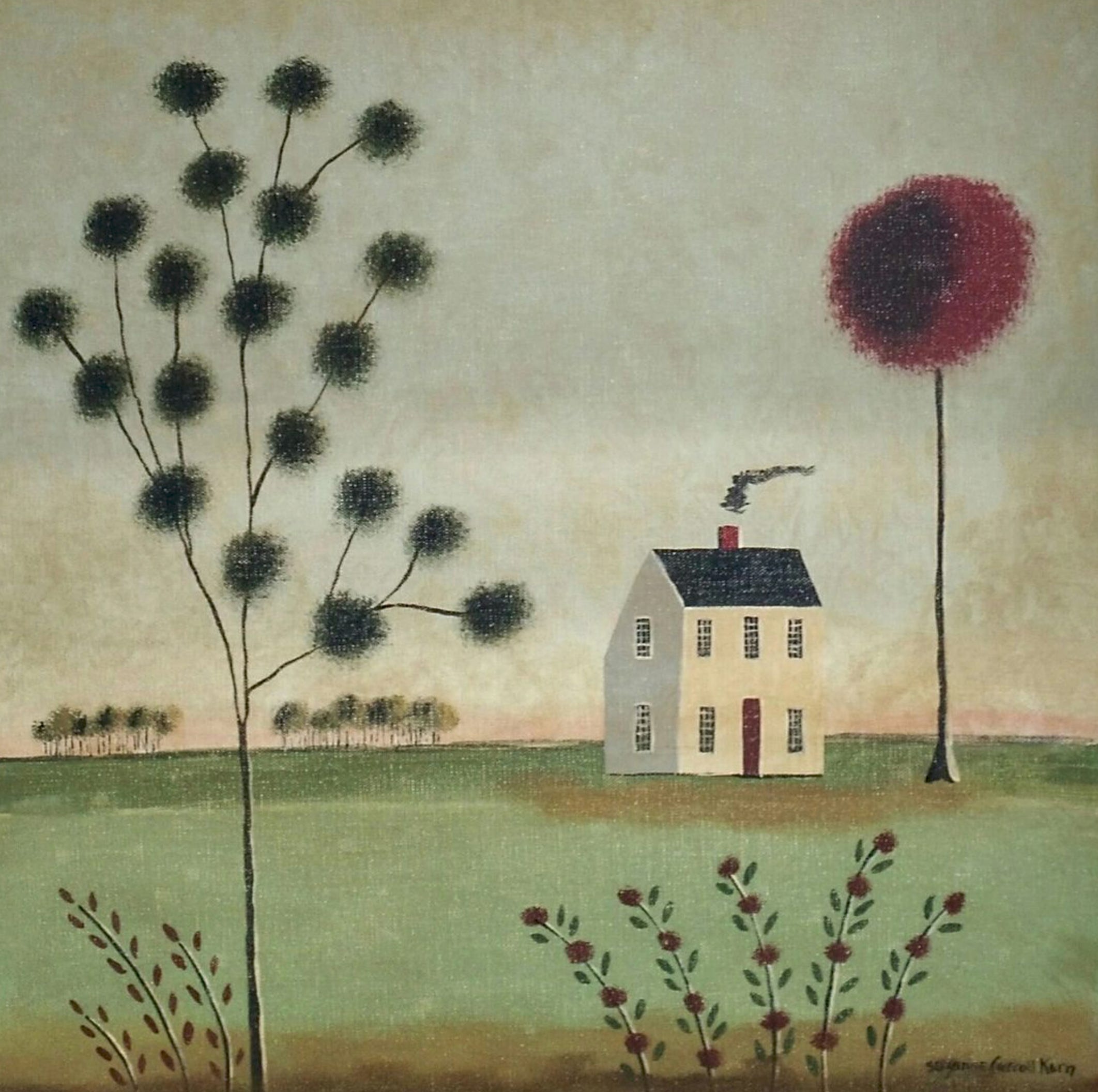
Joe and I went to dinner over the Connecticut-Massachusetts border at one of my favorite country inn restaurants: The Old Inn on the Green. I finally got it together to look up the restaurants murals, which I learned where painted by Maine legend Rufus Porter — supposedly called the “Yankee Da Vinci,” I assume by people who never managed to make it to Europe. My mother pointed out that it looks as if they’ve tacked boards to the walls, so the paintings are removable.
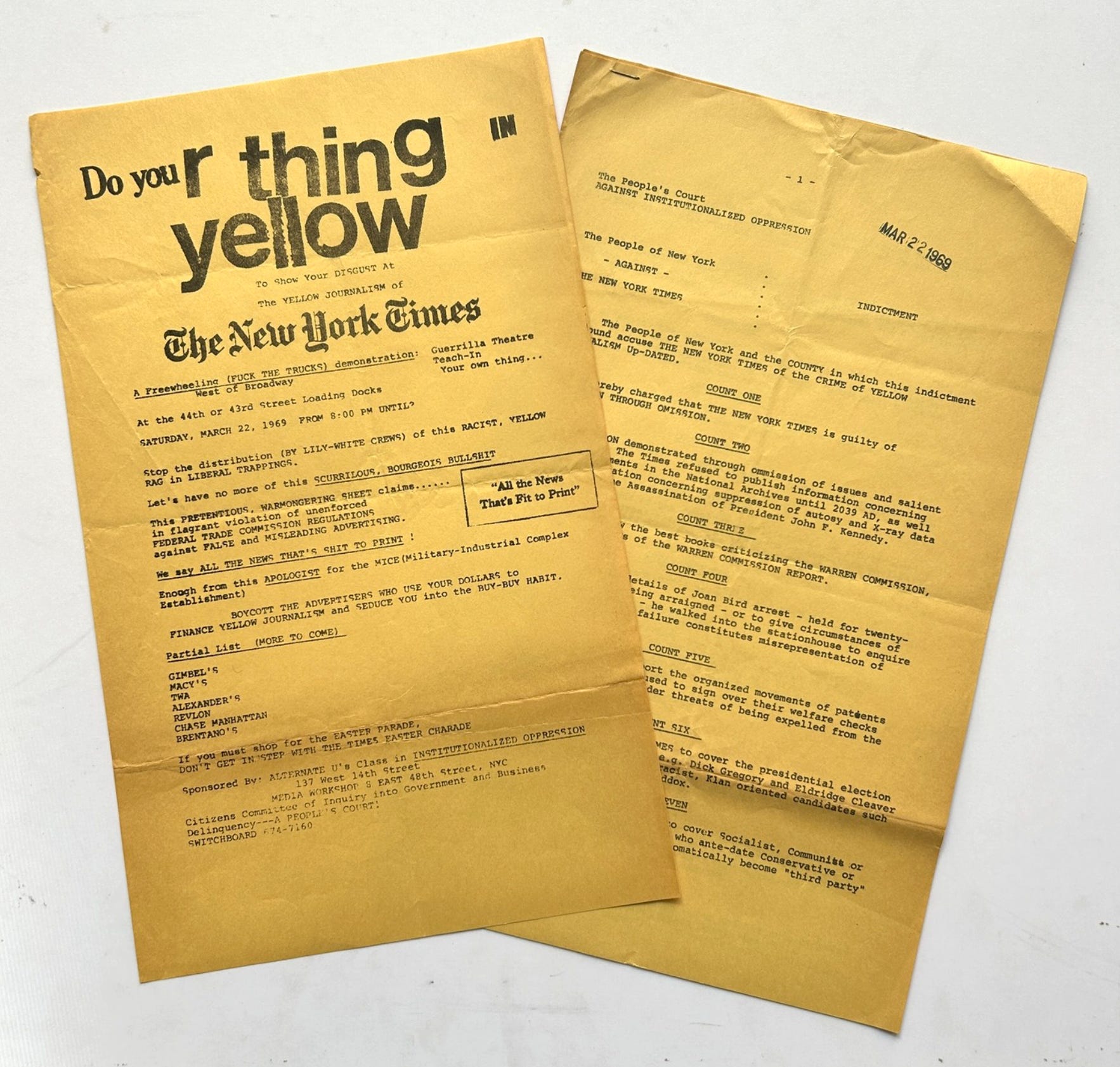
A welcome listicle on the Holiday Cards sent by Famous Artists. I’ve always appreciated the artist studios who keep this up (I’m only on the lists for Nicolas Party and Mark Grotjahn). So few deal with ephemera anymore. Specific Object, run by David Platzker on Instagram, is one of the best accounts tracking the history of artists’ paper. He sells posters and other products on his personal website.