

68 completely underrated books in the “detective” genre
Too Many Women, Too Many Cooks, Too Many Clients

I met Claudia Grigg Edo—an Englishwoman without social media—at my own Thanksgiving, which I threw outside Lucien at a long table off the bus lane. (Affectionately dubbed by me, since I invented it, Table 0.) Claudia was the new girlfriend of an old friend—an archetype ripe for curiosity and judgement. But I was charmed! Later she would become the sole link between my husband’s friends in England and myself. (They were at the same college at Cambridge. At this Thanksgiving in question, I hadn’t even laid eyes on him yet.) Fortuitous.
Claudia is a PhD student in the English department at Columbia, where she studies 20th century psychoanalytic literature (including the exciting genre of “patient memoir”). She’s written for us a roving guide to 2 crime series. If you like what you read, you can follow her detective genre Substack here:

Fake Crime Girl by Claudia Grigg Edo
I am in the last year of a PhD program, which means I should be finishing my dissertation, which means I am trying to do everything but. I have found, or been found by, two completely underrated book series in the “detective” genre. (No, I didn’t think I liked crime novels either, but hear me out.) These are perfect if you are trying to avoid anything in your life because they are gripping, beautifully written short books in a long series. Travis McGee has 21 books, Nero Wolfe has 47!
Travis McGee
The Travis McGee series is by John D. MacDonald. He went to Wharton and Harvard Business School before his loving, perspicacious wife was like, “you should just write.” She had clearly seen (and hopefully been the beneficiary of) John D.’s romantic cowboy streak. The hero of his novels was going to be called Dallas McGee, but became “Travis” when JFK was shot in Dallas.
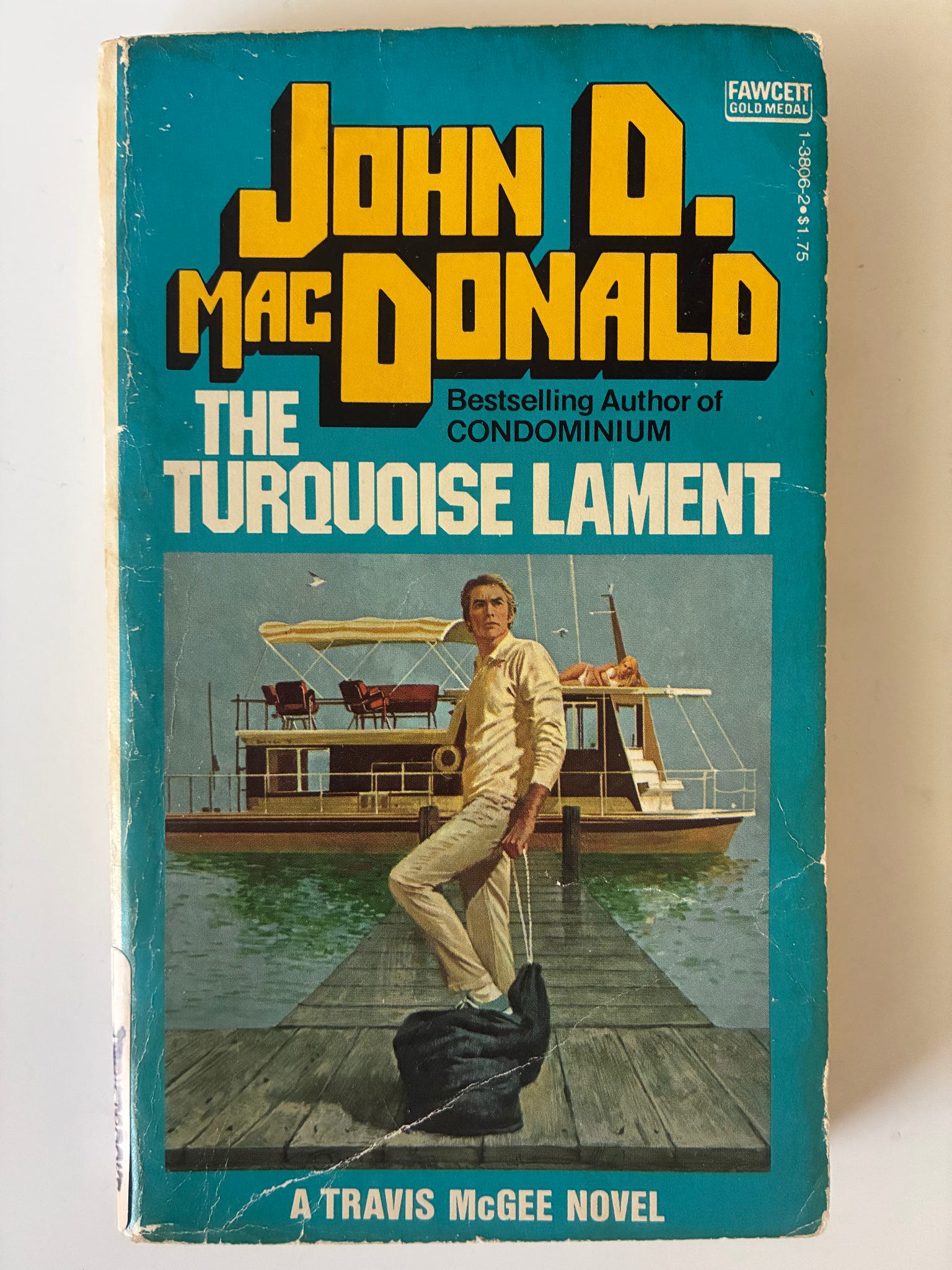
Travis is a big (6’4’’ and broad), sexy beach bum1 with leathery skin scarred by mishap and sandy romps. Think bulked Matthew McConaughey in ’70s Fort Lauderdale, on a boobytrapped houseboat he won in a poker game.McGee is, crucially, not a detective but a “salvage consultant,” i.e. if someone took something from you, he helps you get it back but he keeps half for himself.
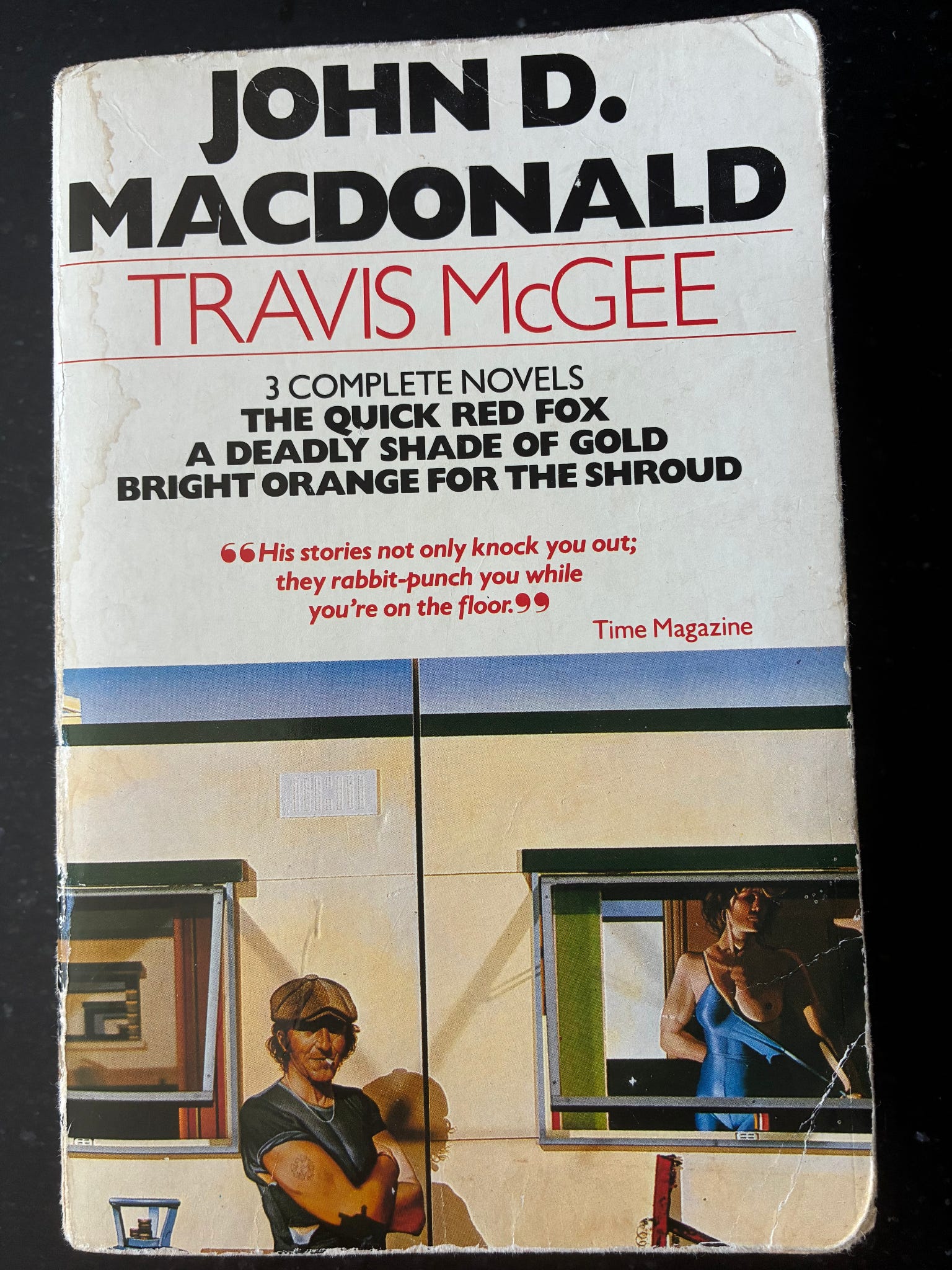
The books were written from the 1960s to 1985. Trav is a perennial bachelor but nevertheless struggles to leave behind the mores of the 1950s. He sleeps with a lot of beautiful women, but only when he’s really in love. Often the relationship is a sort of sexual rehabilitation program; he finds a distressed woman on his travels and coaxes her out of her frigidity. Soon she’s tanned and fishing off the side of the boat, with sandy knees and sexual preferences. And, just like a James Bond film ends with a dead girlfriend, a Travis McGee book usually ends with a gently mutual decision that the no-strings-attached houseboat fling just can’t last, for both their sakes. She is released back into the wild.
John D. brings his Harvard MBA to these Florida romps. This book has lists. You become familiar with the resources being pumped in and out of the South East, the demographic trends, the many different bureaucratic minefields for a romantic libertarian like Travis, who avoids owning a credit card and having his address registered. You might accidentally learn how to operate a 22-foot T-Craft (“with twin Chrysler-Volvo inboard, outboards, 120 horsepower each”). Boys love these books. Boys have been blogging about them since blogs looked like this:
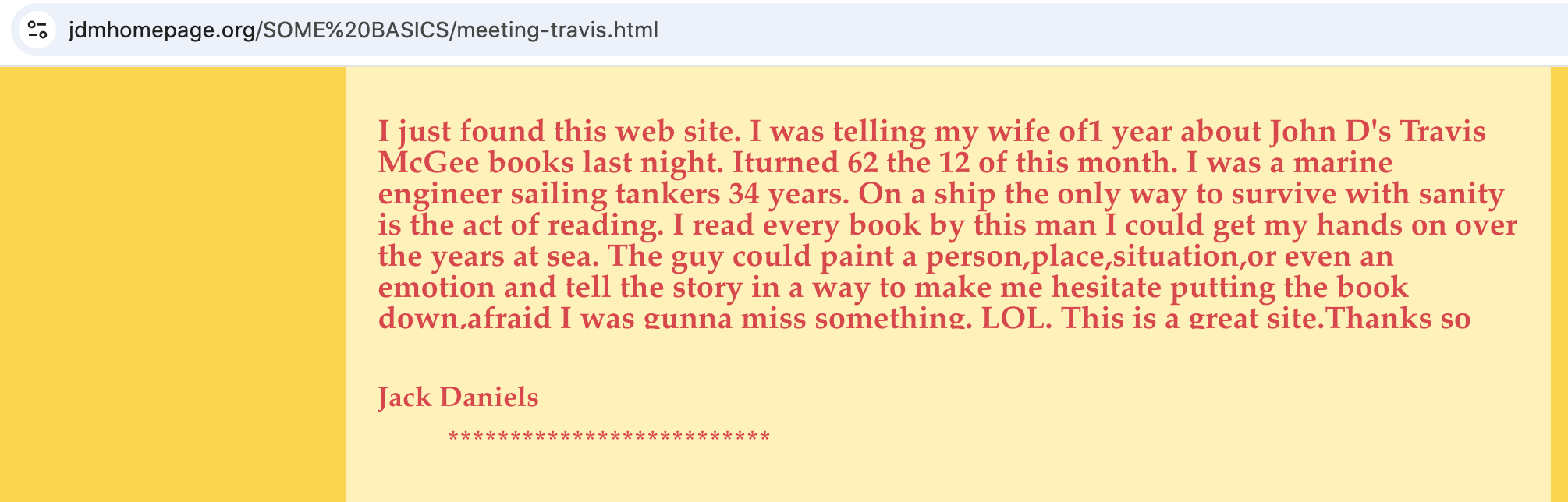
But—I’m telling the Gift Guide girls—the books are a truly delightful trip into a certain kind of male fantasy and male panic. (The fantasies and panics of a guy who knows certain promises are empty, but is also very scared of the emptiness of not promising anything.) They are beautifully plotted with a perfect recurring cast of houseboat neighbors, including the Alabama Tiger who hosts “the longest floating house-party in the world” aboard the ‘Bama Girl. And my favourite, Meyer, a hairy, semi-retired economist (and Travis’s bff) who lives on the John Maynard Keynes. Most importantly, these books are written like a dash of syrup in an Old Fashioned—cold and shockingly good—at a Key Largo beachside bar with a radio playing only commercials. Or something like that, I’ve never been there.
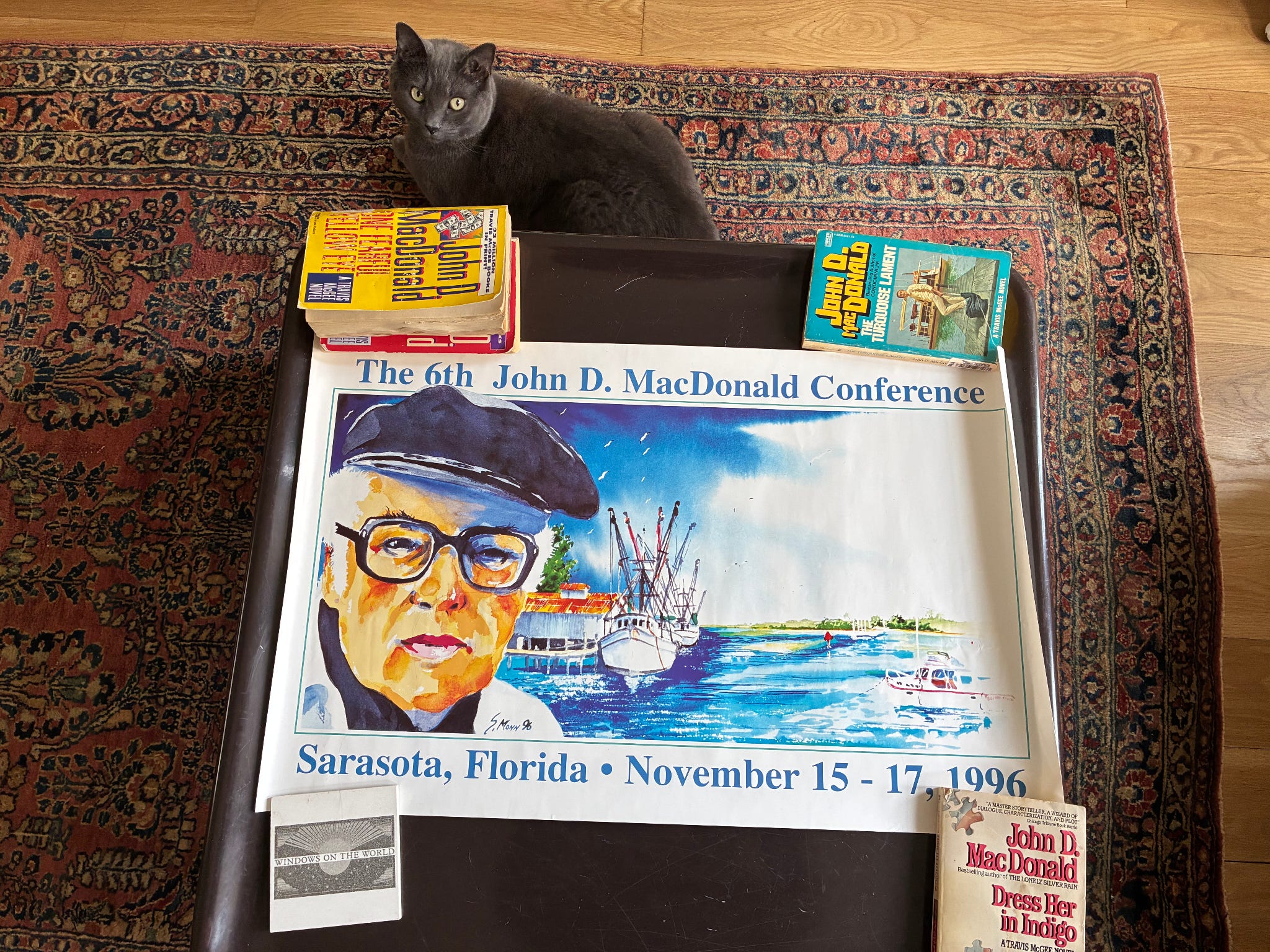
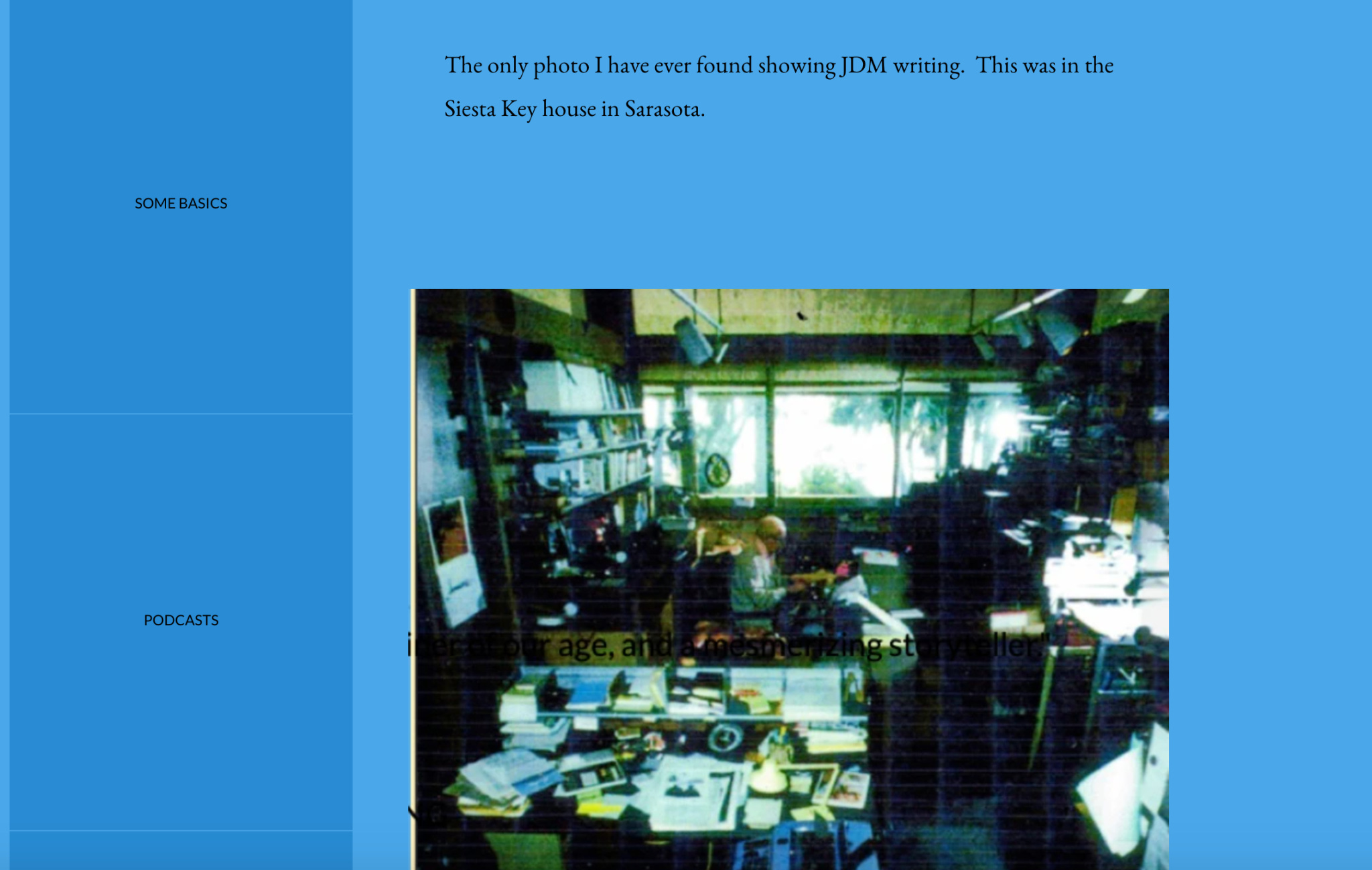
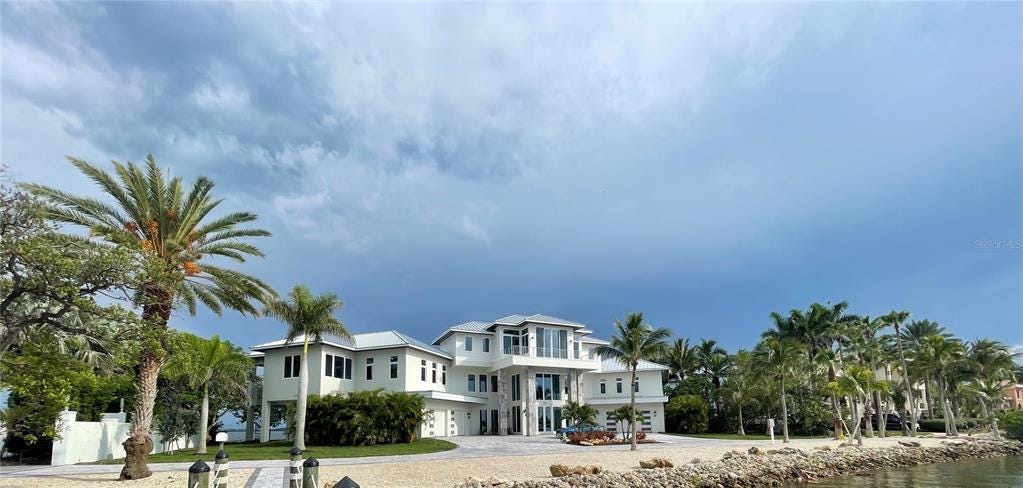
There used to be a yearly John D. MacDonald Conference in Sarasota!! I bought a poster for my room on eBay and I dream of a resurrected conference, and dropping my PhD research and delivering a paper titled “Why is Travis so Big?” or “Sandy Toes and In the Throes.” (Maybe I’d wear a chic white linen set or a silk robe in psychedelic or animal print?) This future Florida pilgrimage would involve a sad visit to the waterside home of John D. MacDonald at 1430 Point Crisp Rd on Siesta Key, Sarasota, which used to look like this:

And now looks like this:
It would also include a trip to Slip F-18 Bahia Mar in Fort Lauderdale where Travis’s boat The Busted Flush2 was docked. When you tell people you want to go to Fort Lauderdale they seem nonplussed. (Miami—lots of recommendations. Key West—“don’t miss Hemingway’s house.” Fort Lauderdale stumps even the gifted recommender, but I only have optimistic associations.)
Years ago, a friend in LA was sharing an apartment with a woman who met her boyfriend on Instagram. They were long distance, so they sent each other cute things in the mail to pass the time apart. Finally, she left the city and drove across the country to live with him in Fort Lauderdale. I moved into her room, and there was one memento left from their courtship. A Walgreens print-your-own-mug he had sent her with a photo of him sniffing the underwear she had sent him. I’m pretty sure that object disproves Fredric Jameson’s theory of postmodernism. Ergo Fort Lauderdale is clearly a center of romance.
Nero Wolfe
So, I became addicted to the Travis McGee series. Like all addicts, I thought this glut (21 books) would last me forever. And, like all addicts, I ran out.
I tried a lot of substitutes. I read everything by Dashiell Hammett (the only great one is Red Harvest). Raymond Chandler, of course (too familiar, too wry). Seichō Matsumoto (the detective is often several steps behind the reader—I’m too impatient for this). I read Dorothy Sayers’ In a Lonely Place (don’t like it when the murderer is the narrator, sorry), several Agatha Christies (nostalgia), some Ross MacDonald (the name got me hopeful, but no).
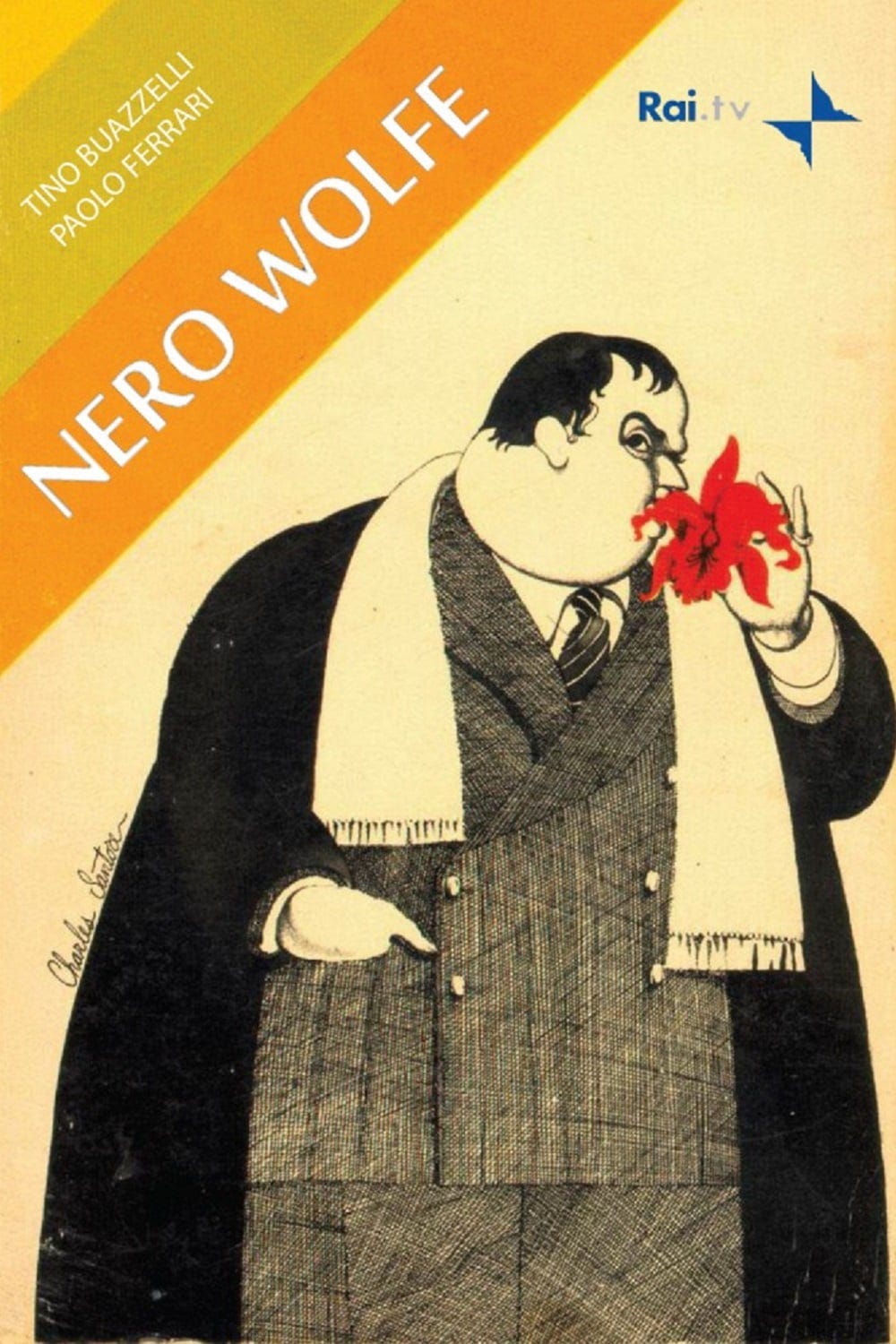
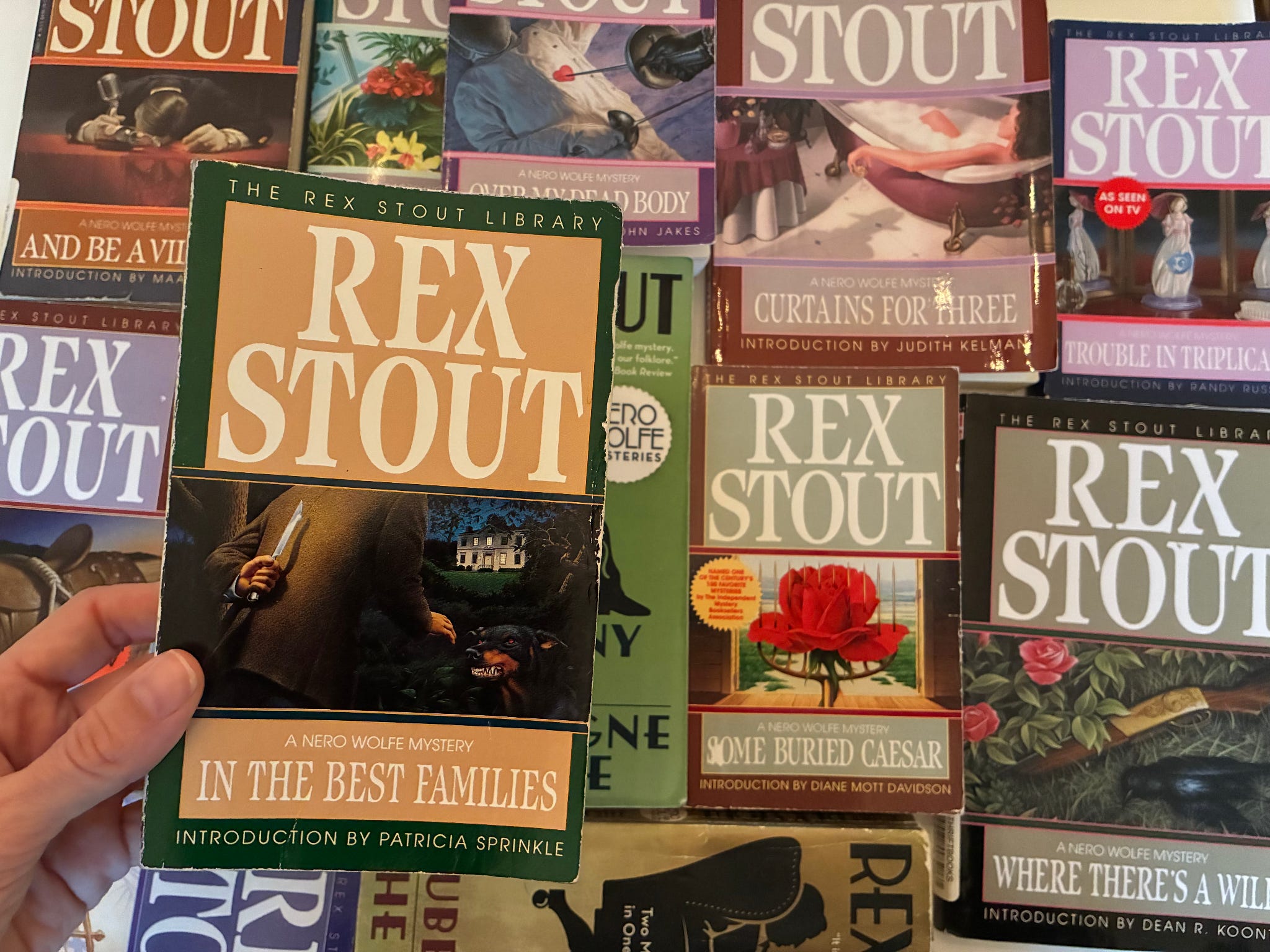
I complained about my Travis McGee problem to everyone I met, which only had the effect of getting other people hooked. Finally, god bless him, friend and writer Andrew Martin (check out his latest novel Down Time) told me about another long detective series, recommended to him by writer David Gates (of the amazing novel Jernigan). The Nero Wolfe series by Rex Stout. 47 books!! They’re set in New York, starting in the 1930s. I’m on #17 and we’re in the late 40s now, but—like in the Sims on cheat mode—our main characters never age.
In the first book, Fer-de-Lance (which is also the only dud so far, skip it), Nero Wolfe is introduced as “huge.” What the hell, I asked my boyfriend, is the male crime writer’s obsession with the size of his hero? Travis McGee is enormous. I’ve never read any of the Jack Reacher books but I know he is 6’5’’. (I watched a clip from the show where they conveyed this by panning slowly up his body like he was Mount Rushmore.) Anyway, it turned out I was wrong, Nero Wolfe is not hugely tall but tremendously fat. He is a detective who never leaves the house, so the books are narrated by his charming and motivated run-around man, Archie Goodwin (6 feet tall).
Archie goes out into the world and then comes back home to Wolfe’s brownstone on West 35th Street and recounts what (murder, intrigue) went on. You’d think the book would be interested in unreliable narration, but Archie always gives a perfect account, to Wolfe and to us. The site of instability in these books is not the action but Nero Wolfe’s response. Firstly, Wolfe is a genius, but a lazy genius—he can only be roused into solving a murder by pride, financial necessity, or the promise of either good food or a rare orchid for his collection.3 Secondly, he’s temperamental and prone to what Archie calls a “relapse.”4 Finally, even when he is working, he keeps cards close to chest until, Poirot style, he has everyone gathered around his desk, and sparks fly.
Archie—an energetic, high-dopamine guy, perpetually in his early thirties, on a high-protein, high-fat diet from the live-in Swiss chef—is Wolfe’s impatient cattle-prod but also his most tender reader. When Wolfe has his eyes open, Archie knows he isn’t listening. Narrowed eyes mean he’s interested. When his lips move in and out, like a soundless whistle (or suckling) it means he’s really on to something, and Archie’s heart speeds up. “That was about the only time I ever got excited, when Wolfe’s lips were moving like that.”
The books are not exactly homoerotic. Homophilic? Archie perceives and protects Wolfe’s desires and bodily comforts. Nero Wolfe’s great loves are food and orchids. He is terrified of women. He specifically believes that women are incapable of domesticity. The idea of a woman in the kitchen horrifies him.
In part, these are books about just how much infrastructure you need to compensate for the absence of women. You need ten thousand orchids in a greenhouse conversion on the top floor of your brownstone, and a gardener who sleeps with them. You need a personal chef making eggs au beurre noire on bone china for breakfast and roast pheasant for dinner, a large library, a superlatively comfortable custom-made office chair, yellow silk sheets, yellow silk pajamas, six quarts of beer a day, and a handsome live-in male assistant to be entertained and irritated by. But still, women are always appearing, as clients, as witnesses or suspects, accidentally summoned.5
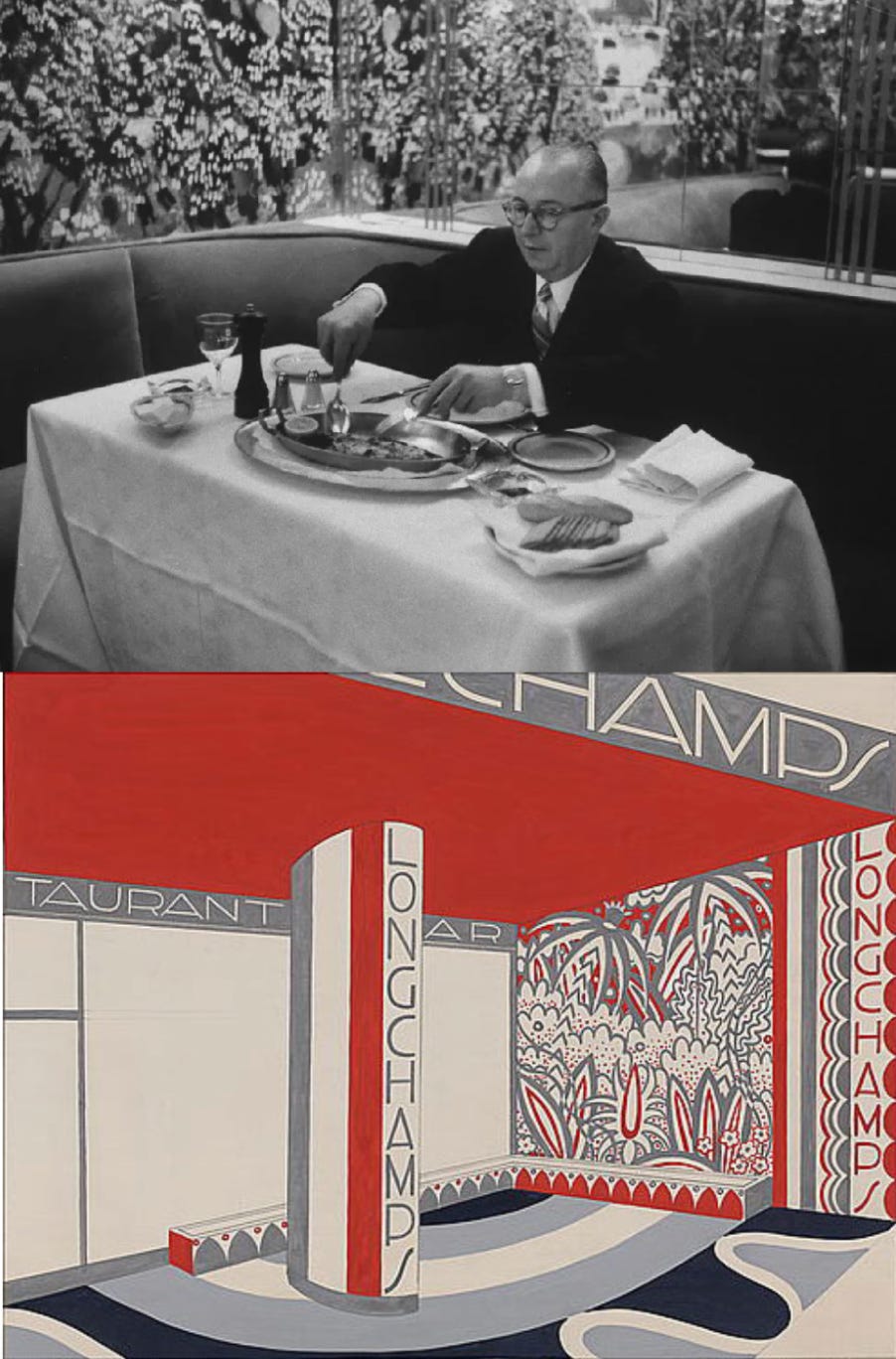
Because of Wolfe’s exorbitant fees, these women are mostly the daughters and wives of men who made their millions in mining, sewage, newspapers, gelatin. There are a couple of self-made women—a consummate radio host and New York’s best party planner, both victims of blackmail. The 1940s weren’t a great fashion decade, but we hear a lot about their sports coats, veils and ankles. The evening scene sounds great. Dinner at the fictional Rusterman’s (on 49th somewhere between Park and Fifth), drinks at the Flamingo Room or the Hotel Churchill’s Resort Room. These were the days (nights) of phoning ahead to the bar to see if your suspect/love interest is there. Imagine!